The Evolution of Slot Machine Design: From Fruit Reels to Interactive Stories
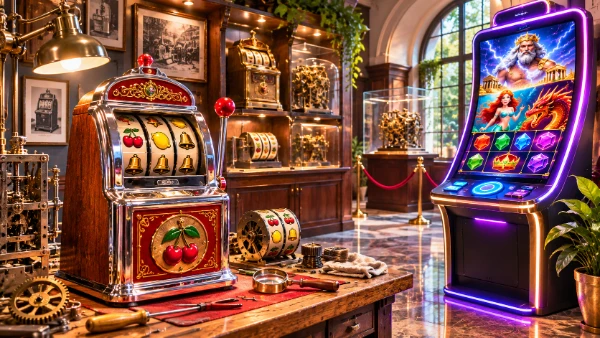
Slot machine design has undergone significant changes since the introduction of mechanical reels in the late nineteenth century. Today, online casinos, including nolim casino, present information about different categories of casino games, covering traditional slots and contemporary video slots with more elaborate gameplay features. These different formats reflect the evolution of game design, from straightforward combinations of fruit symbols to animated environments, thematic soundtracks and interactive storylines. By 2026, storytelling and visual creativity have become important elements of modern slot development.
From Mechanical Reels to Digital Slot Machines
One of the most influential early slot machines was the Liberty Bell, developed by Charles Fey in the 1890s. Its three mechanical reels displayed bells, horseshoes and playing card symbols. The straightforward arrangement allowed players to recognise winning combinations without complicated instructions or additional controls.
Fruit symbols became associated with early twentieth-century machines, some of which distributed chewing gum rather than cash. Cherries, lemons, oranges and plums gradually became recognisable elements of slot machine design, establishing a visual tradition that has survived for more than a century.
Classic fruit machines typically featured limited paylines, simple colour schemes and easily identifiable symbols. Although modern developers have considerably expanded these design possibilities, traditional three-reel slots remain part of the online casino industry, preserving the visual simplicity of their mechanical predecessors.
How Video Screens Transformed Slot Design
The introduction of electromechanical machines during the 1960s reduced dependence on purely mechanical components. Video slots subsequently emerged in the 1970s, allowing developers to replace physical reels with electronic displays and experiment with different visual arrangements.
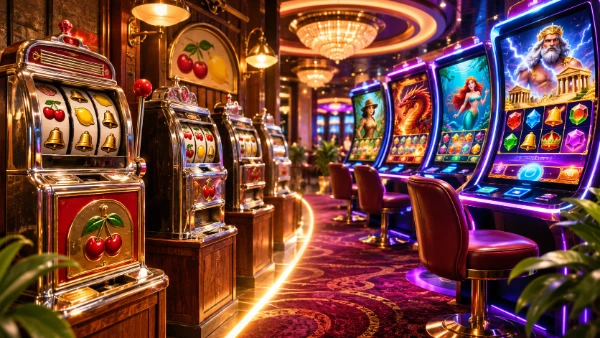
Electronic screens provided greater freedom to introduce additional reels, animated symbols and multiple paylines. Instead of relying exclusively on fruit and bells, game designers began incorporating historical settings, mythology, wildlife, popular culture and fictional characters into their releases.
Sound design also became an important creative element. Mechanical clicks gradually gave way to electronic effects, musical compositions and theme-specific soundtracks. These elements help communicate gameplay events and establish a distinctive atmosphere, although they do not determine the outcome of individual spins.
The Emergence of Narrative-Driven Online Slots
The development of online casinos during the 1990s and 2000s created opportunities for more ambitious game design. Adventure stories, ancient civilisations and fantasy settings gave individual releases recognisable identities, while animated sequences introduced greater visual variety between ordinary spins and bonus rounds.
New gameplay mechanics also influenced the appearance of digital reels. Big Time Gaming introduced Megaways in 2016, featuring a variable number of symbols on individual reels. Other developers incorporated cascading symbols, expanding wilds and cluster-based combinations, moving beyond conventional fixed-payline arrangements.
Storytelling gradually became more closely connected with gameplay presentation. Bonus rounds could represent archaeological discoveries, journeys through fictional landscapes or encounters with mythical characters. Game environments began serving a broader creative purpose rather than functioning merely as decorative backgrounds.
Interactive Features and Responsible Design in 2026
Contemporary slots sometimes feature selectable bonus options, animated transitions, recurring characters and interconnected story elements. Mobile gaming has also influenced their appearance, encouraging developers to create readable instructions, clearly identifiable symbols and intuitive controls suitable for smaller touchscreens.
Consumer protection requirements have become another important consideration. In Great Britain, online slot design restrictions introduced in October 2021 prohibited autoplay, excessively rapid spins and celebratory effects that misrepresent returns equal to or below the original stake. Such measures demonstrate how regulation can influence creative and functional decisions.
Despite increasingly sophisticated graphics and interactive storytelling, slot machines remain games of chance. Detailed animations, character progression and selectable features do not inherently improve winning probabilities. In 2026, the central challenge for slot designers is balancing artistic originality, engaging presentation, transparent game rules and responsible gambling principles.